Bologna to Rimini Day Trip: Train, Beach & Roman Sites (2026)
Rimini is one of the easiest coastal day trips from Bologna. Direct trains take as little as 53 minutes, regional tickets cost €11.30 one way, and Rimini station is about 1 km from the sea.
The city works best if you want Roman history and the Adriatic in one day. Rimini’s official 2026 bathing season ran from May 16 to September 20, so a visit after that date is better planned as a cultural day with a walk on the beach than as a full lido day.
Your Bologna base: Where to Stay in Bologna
Getting There: Train from Bologna to Rimini
Route: Bologna Centrale to Rimini station
Fastest direct train: 53 minutes (Frecciarossa)
Regional trains: 73 minutes at the fastest, around 95 minutes on a typical departure
Frequency: 25+ direct trains per day
Regional fare: €11.30 one way
The €11.30 regional fare is fixed and does not change with demand or booking date. Some slower regional trains run via Ravenna, take more than two hours, and cost €13.30, so check the route before you buy. The Frecciarossa is faster but priced dynamically: fares are roughly €26 to €35.
Buy tickets on Omio, at the station, or on the Trenitalia app. Omio adds a service fee, which it shows before you pay. No advance booking is needed on regional services.
Rimini station is about 1 km from the sea, and the historic center is a short walk in the same direction. That makes it realistic to combine the monuments and the beach without local transport.
Combining Rimini with San Marino: The Bonelli Bus to San Marino leaves from the station area and runs all year. A one-way ticket costs €7 and the ride takes about 55 minutes on the current timetable (valid from September 15 to November 7, 2026). Booking is recommended. See the full logistics in Bologna to San Marino Day Trip: the bus from Rimini station explained.
For a broader comparison, see Best Day Trips from Bologna by Train: all destinations with journey times and current prices.
What to See in Rimini’s Historic Center
Arch of Augustus
Location: Corso d’Augusto, where the Via Flaminia reaches the old city
Entry: Free (exterior monument)
Built: 27 BC
The Arch of Augustus was built in 27 BC in honor of Augustus, where the Via Flaminia from Rome reaches Rimini. It is among the oldest surviving Roman arches.
The monument has changed over time. Its upper section was altered in the medieval period, so it is better understood as a well-preserved Roman gateway than an untouched structure.
Tempio Malatestiano
Location: Via IV Novembre, historic center
Entry: Free
In the 15th century, Sigismondo Pandolfo Malatesta transformed the medieval church of San Francesco into a family memorial. Leon Battista Alberti designed the classical exterior, while the interior preserves works linked to Giotto and Piero della Francesca.
The building remained unfinished. Its classical façade also creates a visual link with the Arch of Augustus.
It is a working cathedral, so visits pause around Mass. Opening hours are usually 08:30–12:00 and 15:30–18:00, but check the cathedral’s visiting hours before you plan the order of your day.
Tiberius Bridge
Location: At the far end of Corso d’Augusto from the Arch of Augustus
Entry: Free
Built: 14–21 AD
Construction began under Augustus in 14 AD and was completed under Tiberius in 21 AD. The five-arch bridge still links the historic center with Borgo San Giuliano.
The bridge is closed to motor traffic, so you cross it on foot. A restoration project began in May 2026 and is due to finish by December, with a pedestrian passage kept open through the scaffolding.
Borgo San Giuliano
Access: Cross the Tiberius Bridge from the historic center
Entry: Free
Borgo San Giuliano is the former fishermen’s district across the bridge from the historic center. Murals on its façades refer to local life, neighborhood history, and Federico Fellini.
It is worth 20–30 minutes if you are already visiting the bridge. The area also has restaurants and bars, so it can work as a lunch stop rather than a separate destination.
Domus del Chirurgo
Location: Piazza Ferrari
Entry: €7 full ticket, which also covers the City Museum
Hours: Tuesday to Friday 09:30–13:00 and 16:00–19:00, Saturday and Sunday 10:00–19:00, closed on non-holiday Mondays
The Domus del Chirurgo is a Roman house from the 2nd century AD that belonged to a doctor. Excavations uncovered an unusually rich set of surgical instruments, and the site adds a substantial indoor Roman stop to a history-focused day.
If you also plan to visit the Fellini Museum, the €14 Rimini Art Card covers the City Museum, the Domus del Chirurgo and the Fellini Museum in one ticket. That is cheaper than buying the tickets separately. Check the card’s validity window when you buy.
Federico Fellini Museum
Federico Fellini was born in Rimini in 1920. The museum dedicated to him opened in 2021 and is spread across Castel Sismondo, Palazzo del Fulgor, and Piazza Malatesta.
Full ticket: €10, with reduced tickets available
Castel Sismondo: generally 10:00–13:00 and 16:00–19:00
Palazzo del Fulgor: 10:00–19:00
Closed: non-holiday Mondays
Allow 1.5–2 hours if you want to see both indoor venues without rushing. If Fellini is not your interest, the historic center still works well without the museum. The exterior of Castel Sismondo, the 15th-century fortress built for Sigismondo Malatesta, is worth a look either way.
The Beach
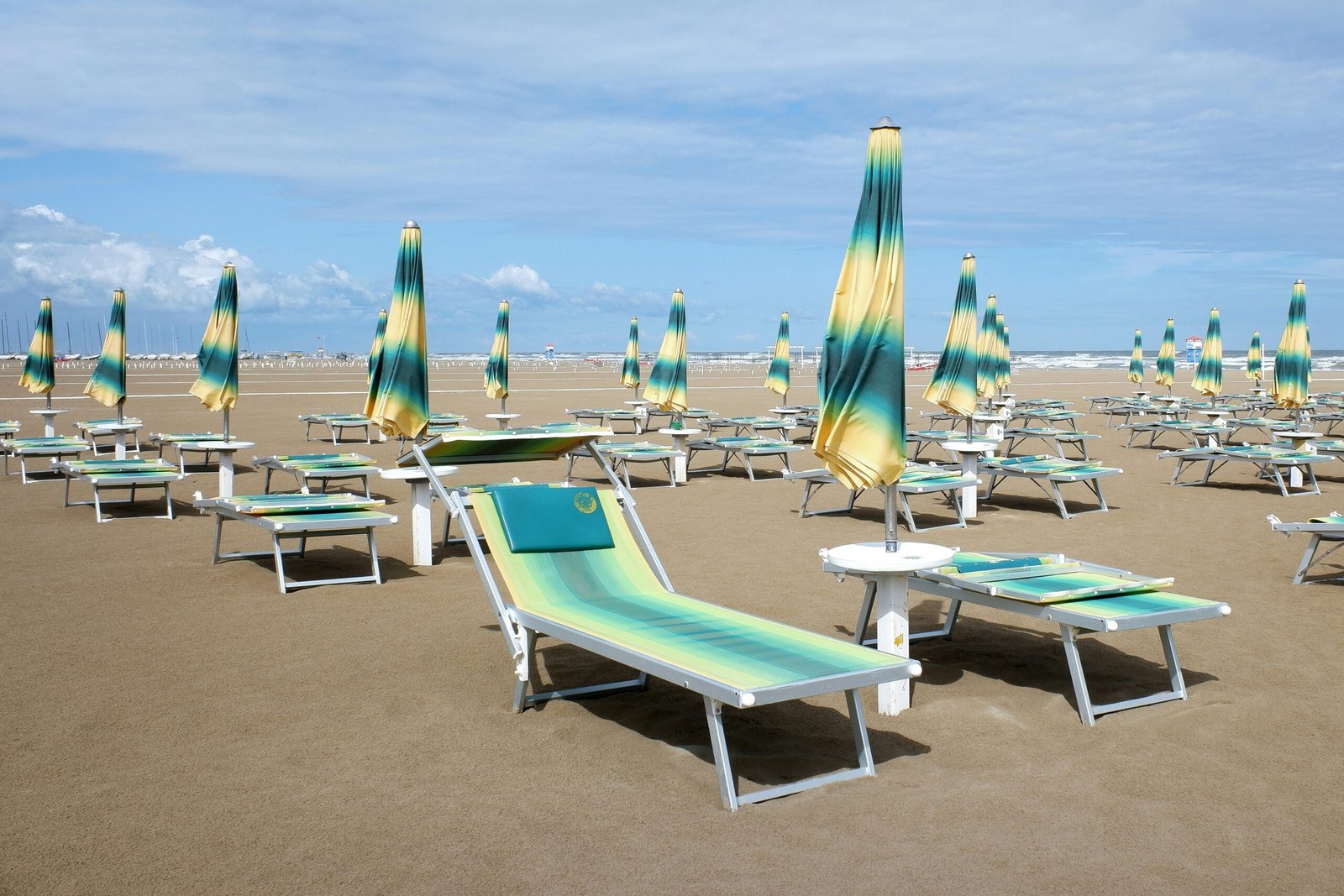
Rimini has about 15 km of sandy coastline. Most of it is served by private beach clubs, or stabilimenti, where you rent an umbrella and sunbeds and use showers, changing rooms, and a bar or restaurant.
Prices vary widely by club, row, and week. An umbrella with two sunbeds typically costs around €18–25 for a day in season, with front rows and August at the top of the range. Treat these figures as indicative.
For 2026, the official bathing season ran from May 16 to September 20, with lifeguard service from 09:30 to 18:30 during that period. Outside the season the beach stays open to walk on, but many clubs and seasonal services close.
Free beach: Public sections are available along the strip, including near the port. Bring your own umbrella and towel, because no equipment or facilities are provided.
Where to Eat in Rimini
Piadina: The flatbread of Romagna is the classic Rimini lunch. It is cooked on a griddle and folded around fillings such as squacquerone cheese, prosciutto, vegetables, or sausage, which suits a day of moving between the center and the beach.
Osteria de Borg: This restaurant in Borgo San Giuliano focuses on Romagnola cooking, including fresh pasta, piadina, meat, and regional dishes. It is practical after the bridge and Borgo walk.
Vecchia Pescheria: The old fish market area near Piazza Cavour has several restaurants, wine bars, and taverns close together. It is a good place to look for a sit-down lunch in the historic center.
Two Practical Day Plans
Option A: Roman History, Fellini, and the Sea
| Time | Activity | Cost |
|---|---|---|
| Morning | Direct train from Bologna Centrale | €11.30 regional fare |
| Late morning | Arch of Augustus and Tempio Malatestiano | Free |
| Before lunch | Domus del Chirurgo and City Museum | €7 |
| Lunch | Piadina or a sit-down lunch in the center | Varies |
| Early afternoon | Tiberius Bridge and Borgo San Giuliano | Free |
| Mid-afternoon | Fellini Museum | €10 |
| Late afternoon | Walk to the beach and the promenade | Free |
| Evening | Train back to Bologna | €11.30 regional fare |
If you plan to visit both the Domus and the Fellini Museum, the €14 Rimini Art Card is cheaper than buying the two full-price tickets separately.
Option B: Beach First
| Time | Activity | Cost |
|---|---|---|
| Morning | Direct train from Bologna Centrale | €11.30 regional fare |
| Morning | Walk to the beach | Free |
| Late morning to afternoon | Beach club or public beach | About €18–25 for an umbrella and 2 sunbeds |
| Late afternoon | Tiberius Bridge or Arch of Augustus | Free |
| Evening | Train back to Bologna | €11.30 regional fare |
This version works best during the official bathing season, which ran from May 16 to September 20 in 2026. Outside those dates, treat the beach as a walk or a short stop and give more time to the historic center.
Can You Combine Rimini and San Marino?
Yes, but it is a compressed day. The Bonelli Bus costs €7 one way, runs all year, and takes about 55 minutes from Rimini station to central San Marino on the current timetable.
If San Marino is the priority, keep Rimini to one or two historic-center stops rather than trying to add a full beach day. The San Marino guide linked above covers the bus logistics.
When to Take This Day Trip
Late spring and summer: Choose Rimini for a beach-focused day when the official bathing season is operating. July and August bring the heaviest holiday demand, so train and beach planning matters more.
September and October: The historic center, the Fellini Museum, and the Roman sites remain useful after the beach season ends.
Winter: Rimini still works as a culture and food day trip, but the beach becomes a walk rather than the main activity.
For broader seasonal planning, see Best Time to Visit Bologna: seasonal guidance for all day trips from the city.
Frequently Asked Questions
How long is the train from Bologna to Rimini?
The fastest direct trains take 53 minutes. Regional trains take 73 minutes at the fastest and around 95 minutes on a typical departure, with 25+ direct trains per day. The regional fare is €11.30 one way and does not change with demand or booking date. Regional trains require no advance booking.
What is there to do in Rimini besides the beach?
Start with the Arch of Augustus, Tempio Malatestiano, Tiberius Bridge, Borgo San Giuliano, and the Domus del Chirurgo. The Fellini Museum adds another 1.5–2 hours if you are interested in cinema. All of them are within walking distance of each other in the historic center.
When is the beach season in Rimini?
In 2026, Rimini’s official bathing season ran from May 16 to September 20. The beach stays open to walk on outside those dates, but many beach clubs and lifeguard services close.
Can you combine Rimini and San Marino in one day?
Yes. Treat it as a split day rather than two full visits. The Bonelli Bus costs €7 one way and takes about 55 minutes from Rimini station to San Marino on the current timetable.
How much does the Fellini Museum cost?
A full ticket costs €10. Castel Sismondo and Palazzo del Fulgor are closed on non-holiday Mondays. The €14 Rimini Art Card also covers the City Museum and the Domus del Chirurgo.
Plan Your Day Trip
- Best Day Trips from Bologna by Train: all 9 destinations with logistics
- The 3 Best Day Trips from Bologna: the curated shortlist
- Bologna to San Marino Day Trip: combine with Rimini for a dual-destination day
- Best Time to Visit Bologna: seasonal advice for Rimini beach vs cultural visits
- Where to Stay in Bologna
- Bologna Trip Cost 2026: full budget breakdown including day trips
Every destination within easy reach of Bologna is collected in Day Trips.