Best Time to Visit Bologna: 2026 – 2027 Guide
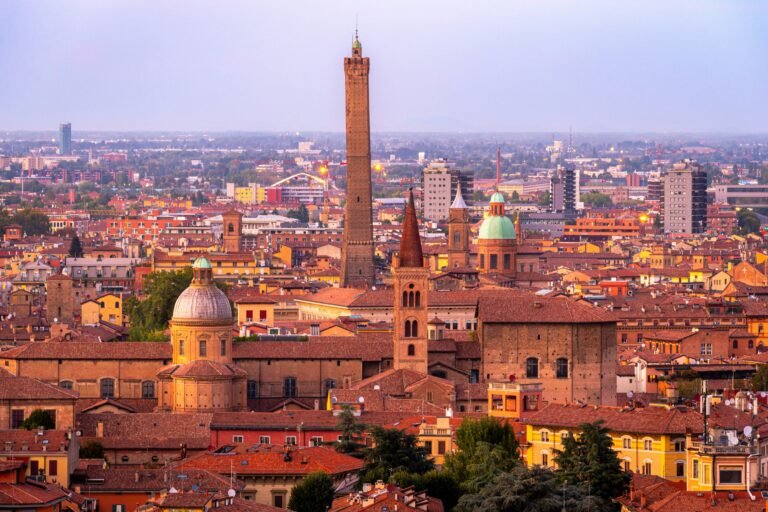
The short answer: late September and October are the strongest overall months to visit Bologna, especially for food-focused trips. May is the best alternative for mild weather and long days.
One caveat matters more in Bologna than in most seasonal guides: major trade fairs can change hotel availability for several days at a time. Check the exact BolognaFiere calendar before booking, even in a month that is normally a good choice. Our Bologna trade fair calendar lists the dates for 2026 and 2027 and shows how much hotel prices jump in a fair week.
For help deciding how long to stay once you have chosen your dates:
How Many Days in Bologna? Honest answer for every type of traveler
Quick Reference: Bologna by Season
| Season | Months | Typical Weather | Best For | Main Watch-Out |
|---|---|---|---|---|
| Spring | March–May | Mild, changeable, about 12–22°C | Walking, day trips, outdoor meals | Easter and major fair dates |
| Summer | June–August | Hot and humid, often 27°C or more | Long evenings, Bologna Estate | Heat and Ferragosto closures |
| Autumn | September–October | Warm, then cooler, about 12–26°C | Harvest season, truffles, food trips | Cersaie and other trade fairs |
| Winter | November–February | Cold and damp, about 2–14°C | Museums, trattorias, Christmas markets | Fog and short days |
These figures are approximate climate ranges, not forecasts. Bologna sits in the Po Valley, so humidity can make both summer heat and winter cold feel more demanding than the temperature alone suggests.
Before You Book: Check Bologna’s Trade-Fair Calendar
Bologna is a major exhibition city. A fair of four or five days can matter more to your hotel search than a broad label such as “high season” or “low season.”
In 2026, Cersaie ran September 21–25, SAIE runs October 7–10, and EIMA runs November 10–14. The Bologna Children’s Book Fair returns April 5–8, 2027 and is a professional trade event rather than a general visitor attraction.
Dates change each year, so check the official BolognaFiere events calendar before fixing your accommodation.
Spring (March–May): The Easiest All-Round Choice
Spring is a strong choice for walking, day trips, and time outside without the heat of July or August. Typical temperatures rise from the low teens in March to the low twenties in May.
The weather is changeable rather than reliably dry. Build some flexibility into outdoor plans, especially in March and April. The porticoes make a rainy day easier to manage, but they do not remove the need for a rain layer.
Seasonal produce also shifts quickly through spring. Asparagus, peas, artichokes, and strawberries become more visible on menus and at the markets as the season develops.
What spring gets right:
Mild weather works well for the San Luca walk and for rail day trips to Modena, Parma, and Ravenna. May is particularly useful if you want long daylight hours without midsummer temperatures.
What to watch out for:
Easter can raise visitor demand, and Bologna’s exhibition calendar can create short periods of tighter accommodation availability. Check your exact dates rather than assuming the whole month will behave the same way.
The F1 angle has changed: Imola hosted Formula 1 through 2025 but is not on the 2026 calendar. If catching a race is part of your reason to come, check the current calendar before you build a trip around it.
Best for: First-time visitors, walkers, and travelers planning several day trips.
For a spring culture day outside Bologna, see our Bologna to Ravenna Day Trip guide.
Summer (June–August): Long Evenings, Serious Heat
Summer is hot and humid. Afternoons can be tiring, so outdoor sightseeing works better in the morning and evening.
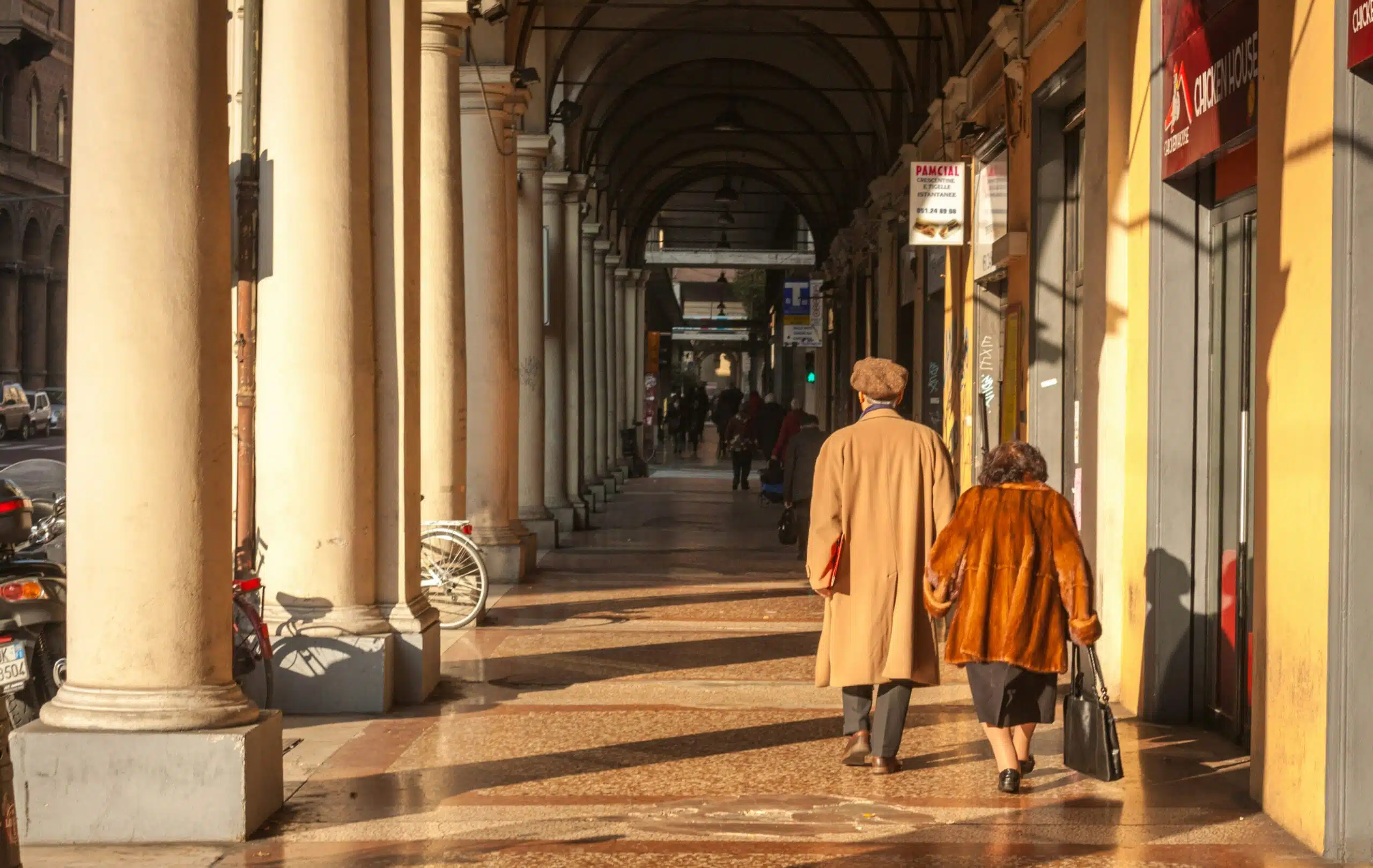
Bologna’s porticoes cover about 62 kilometers across the city and provide useful shade. They help, but they are not air conditioning. Keep midday plans lighter during heat waves.
The city also runs Bologna Estate, its summer cultural program. The 2026 program runs from May 15 to September 27, with hundreds of events across Bologna and the metropolitan area, mostly free.
What About August?
August needs more nuance than “the city shuts down.” Some independent restaurants, food shops, and other businesses take summer holidays around Ferragosto on August 15, so a food-focused itinerary requires more checking than usual.
At the same time, Bologna does not stop functioning. On Ferragosto 2026, many civic museums stayed open with continuous hours, and Bologna Estate continued through the month.
If August is the only option, verify priority restaurants and shops before arrival. For sightseeing and museums, the month remains workable. For a trip built around specific independent food businesses, it is less predictable.
Best for: Travelers who handle heat well, families tied to school holidays, and visitors who prefer long evenings.
Bologna with Kids: family-friendly activities and the best timing for a family trip
For an Adriatic day trip in summer, see Bologna to Rimini.
Autumn (September–October): The Best Time for Food
September and October are the strongest overall months for a Bologna trip built around food. September still has warm days, while October brings cooler walking weather and the start of the main truffle season.
The regional grape harvest takes place in this part of the year, and menus shift from summer vegetables and fruit toward pumpkin, mushrooms, and other autumn ingredients.
In Emilia-Romagna, the official 2026–2030 truffle calendar allows the harvest of Tuber magnatum, the prized white truffle, from October 1 to January 20. Other truffle species have their own legal harvest periods.
Acetaie Aperte
Acetaie Aperte takes place on September 27, 2026. More than 40 balsamic vinegar producers in the province of Modena open their doors for the annual open day, with visits and tastings.
For travelers with a serious interest in balsamic vinegar, this is a date worth considering for a Bologna and Modena trip. Check the participating acetaie directly, because schedules and booking arrangements vary.
For the full month in detail, including current events and what to pack, read our guide to Bologna in October.
September and October also work well for a Venice day trip. Venice’s 2026 Access Fee trial ended on July 26, so no fee applies to visits in September or October 2026. The rules for later years can change. Read our Bologna to Venice Day Trip guide.
Mortadella, Please
The 2026 mortadella festival is Mortadella, please, held October 9–11 in Zola Predosa, outside Bologna city center. Street food and most activities are free, while some events are ticketed. Bologna also marks a Mortadella Day on October 24 in Piazza Galvani.
For a broader food and Motor Valley day, use our Bologna to Modena Day Trip guide.
Best for: Food-focused travelers, wine and balsamic vinegar trips, and visitors who want comfortable walking weather without midsummer heat.
Our pick: walking food tourWinter (November–February): Cold, Damp, and Good for Indoor Bologna
Winter is colder and damper, with typical temperatures from about 2°C to 14°C. Fog is a real feature of the Po Valley, but it is not a condition you should expect every day.
This is the season when Bologna’s indoor strengths matter most. Museums, covered streets, long lunches, and traditional winter dishes fit naturally into a short city break.
November sits between autumn food season and the Christmas period. See Bologna in November for that month in detail.
Christmas in Bologna
Several 2026 Christmas market dates are already confirmed:
| Market | 2026 Dates | Location |
|---|---|---|
| Antica Fiera di Santa Lucia | November 21–December 26 | Strada Maggiore, under the Portico dei Servi |
| Fiera di Natale | November 20–January 6 | Via Altabella |
| French Christmas Village | December 5–8 | Piazza Minghetti |
Bologna also traditionally marks New Year’s Eve in Piazza Maggiore with the Vecchione. Check the current program before planning the evening around it.
Christmas in Bologna: markets, the Vecchione tradition, and what to eat in December
January and February are better suited to travelers who value museums, food, and a slower city break more than outdoor conditions. Do not assume every winter date has the lowest hotel rate, because exhibition dates and special events can still affect availability.
For December, January, and February compared side by side, read Bologna in Winter.
What to pack: A warm coat, layers, a scarf, and water-resistant footwear. A compact umbrella or rain shell is useful when your route leaves the porticoes.
Best for: Museum-focused trips, winter food, Christmas travel, and visitors who do not mind cold or fog.
Food Seasonality: What Changes Through the Year
Bologna’s restaurants and food shops are not limited to local seasonal produce, but the regional calendar still changes what appears most naturally on menus.
| Season | Common Seasonal Ingredients | Dishes to Look For |
|---|---|---|
| Spring | Asparagus, peas, artichokes, strawberries | Vegetable pasta, asparagus dishes, fresh ricotta |
| Summer | Tomatoes, zucchini, peaches, melon, herbs | Tomato-based dishes, salads, lighter pasta |
| Autumn | Pumpkin, porcini, figs, grapes, truffles | Pumpkin tortelloni, mushroom dishes, truffle pasta |
| Winter | Cabbages, root vegetables, chestnuts, winter truffles | Tortellini in brodo, braised meats, cotechino |
For truffles, use the regional harvest calendar rather than a vague “truffle season” label. White truffle harvest runs from October 1 to January 20 under the Emilia-Romagna calendar in force for 2026–2030, while other species continue on their own dates.
Hotel Prices and Crowds: Check Dates, Not Just Months
A simple “low, mid, high” price table is not very useful in Bologna. Trade fairs, holidays, and major events can create short demand spikes inside months that are otherwise comfortable for leisure travel.
Use the month as your first filter, then check the exact week. This matters especially in March, April, September, October, and November, when major BolognaFiere events can fall.
For current accommodation, transport, and activity costs:
Bologna Trip Cost 2026: what everything costs right now
For strategies to reduce costs regardless of season:
Bologna on a Budget: how to do it well for less
Events Worth Timing Your Trip Around
| Event | Confirmed Date | What You Need to Know |
|---|---|---|
| Cersaie | September 21–25, 2026 | Major BolognaFiere trade event. Check accommodation early if your dates overlap. |
| Acetaie Aperte | September 27, 2026 | 40+ balsamic producers open across Modena province. |
| SAIE | October 7–10, 2026 | Large BolognaFiere construction trade event. |
| Mortadella, please | October 9–11, 2026 | Food festival in Zola Predosa, not Bologna city center. |
| EIMA International | November 10–14, 2026 | Major agricultural machinery exhibition at BolognaFiere. |
| Antica Fiera di Santa Lucia | November 21–December 26, 2026 | Historic Christmas market under the Portico dei Servi. |
| French Christmas Village | December 5–8, 2026 | French market in Piazza Minghetti. |
| Bologna Children’s Book Fair | April 5–8, 2027 | Major professional publishing fair. Entry is for sector professionals. |
Frequently Asked Questions
When is the best time to visit Bologna?
Late September and October are the strongest overall months for food seasonality and comfortable walking weather. May is the best alternative if weather is your main priority. In either period, check BolognaFiere dates before booking accommodation.
What is the weather like in Bologna in summer?
Bologna is hot and humid in summer. Plan longer outdoor walks for the morning or evening during hot spells, and use the porticoes for shade when possible.
Is Bologna good in winter?
Yes, if you are comfortable with cold, damp weather and possible fog. Winter suits museums, long meals, and indoor sightseeing well. December adds Christmas markets, while January and February can feel calmer after the holiday period.
When should I avoid visiting Bologna?
There is no month that you need to avoid completely. July and August are the hardest for heat, and restaurant or shop closures around Ferragosto can complicate a food-focused trip. Major trade-fair weeks can also make accommodation harder to find, so check exact dates before booking.
What is the weather like in Bologna in October?
October is usually comfortable for walking, with typical temperatures from about 12°C to 22°C. It is cooler than September and can be wetter, but it coincides with the start of the white truffle harvest and other autumn food seasonality.
When is Bologna least crowded?
For a quieter leisure trip, weekdays from mid-January through February are a sensible target. However, there is no single month that guarantees low demand. Trade fairs and special events can change the picture for several days at a time.
Plan Your Bologna Visit
- First Time in Bologna? 15 things to know before you go
- How Many Days in Bologna? The full breakdown by trip type
- Where to Stay in Bologna: best neighborhoods and hotels for every season
- Bologna Trip Cost 2026: current prices for accommodation, food, and transport
- Christmas in Bologna: the full guide to December markets and the Vecchione tradition
- Bologna to Modena Day Trip: best done in September or October
- Best Day Trips from Bologna by Train: all nine destinations and the best season for each
- Start Here: once the dates are set, this decides the rest of the trip
The practical side of a Bologna trip, including timing, budget, getting around, and how long to stay, is collected in Plan Your Trip.