Bologna in Winter (2026)
Winter is the cheapest time to visit Bologna and the most local, and the city is built for it. The porticoes that make Bologna unlike anywhere else in Italy exist to keep pedestrians dry and sheltered, and they come into their own between December and February. Temperatures sit between 2°C and 10°C (36°F–50°F), the fog settles in for days at a time, and the trattorias serve the food the city is most protective of.
The trade-off is real and worth stating plainly. It is cold, damp and often grey, and the Po Valley fog can cut visibility to a few dozen metres. If your trip depends on hill views and long walks in sunshine, come in spring or autumn instead. If it depends on food, museums without queues, and the lowest hotel prices of the year, winter is the better choice.
Bologna in Winter at a Glance
| Months | December, January, February |
| Temperature | 2°C–10°C (36°F–50°F), January coldest |
| Weather | Cold and damp, with persistent fog |
| Crowds | Lowest of the year, except Christmas week |
| Hotel prices | The lowest of the year |
| In season | Tortellini in brodo, certosino, roasted meats, winter greens |
| Christmas markets | From November to 26 December and 6 January |
| Winter sales | From early January, for up to 60 days |
What Is Winter Weather Like in Bologna?
Cold, damp, and foggy rather than snowy. Daytime highs sit around 6–10°C in December, drop to their lowest in January, and start creeping back in late February, while nights hover near or just above freezing. Snow falls occasionally and rarely settles for long in the city itself.
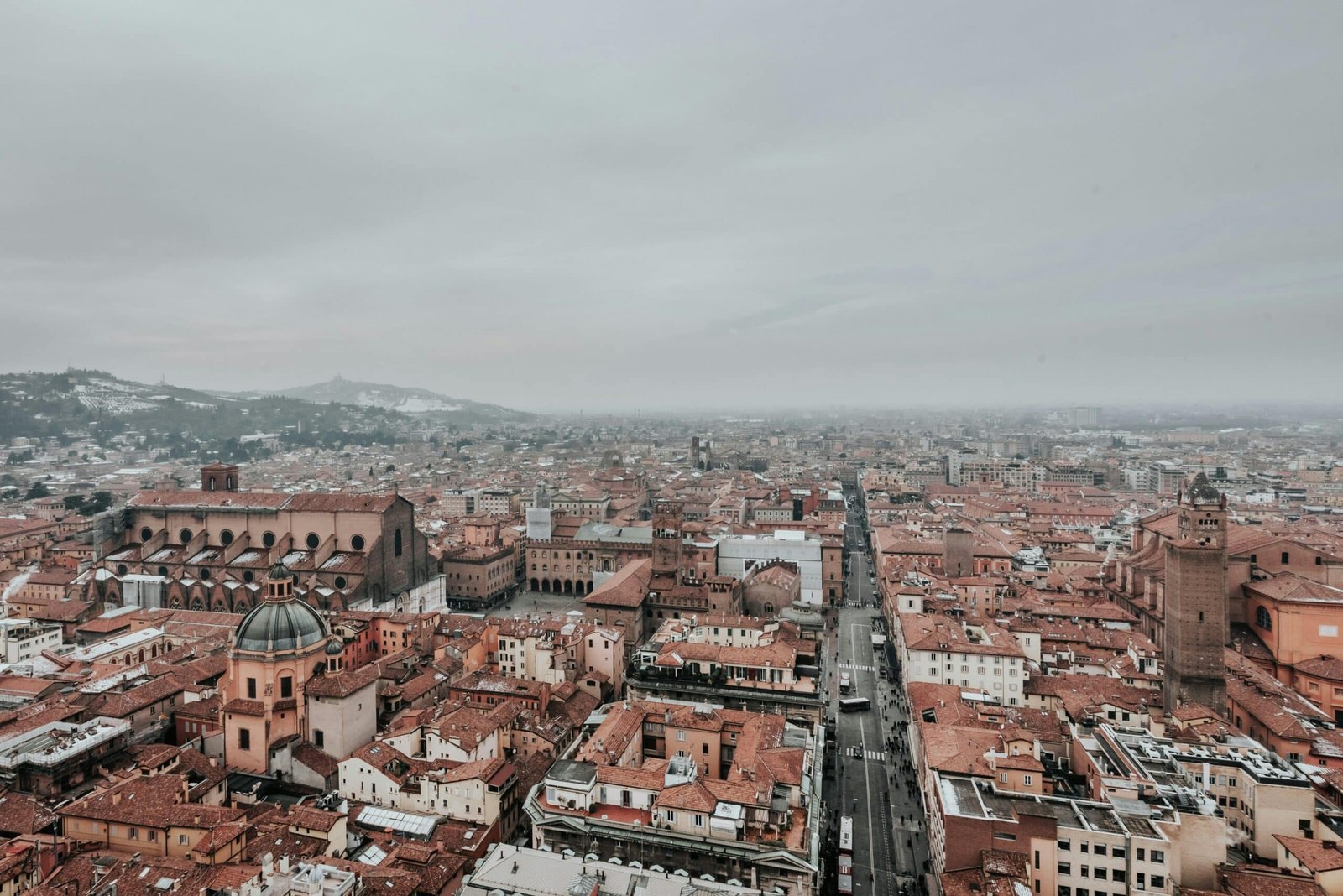
The fog deserves its own paragraph, because it defines the season more than the temperature does. The Po Valley traps damp air, and the nebbia can sit over the city for days — a thick mist that reduces visibility to fifty metres and makes a medieval city feel genuinely medieval. Whether that reads as atmospheric or as dispiriting depends entirely on what you came for, and it is worth deciding which of the two you are before you book a winter trip.
What matters more than the numbers is the kind of cold. Po Valley damp gets into clothing in a way dry mountain cold does not, so 5°C here feels colder than 5°C in the Alps. A proper heavy coat handles it; a technical shell does not.
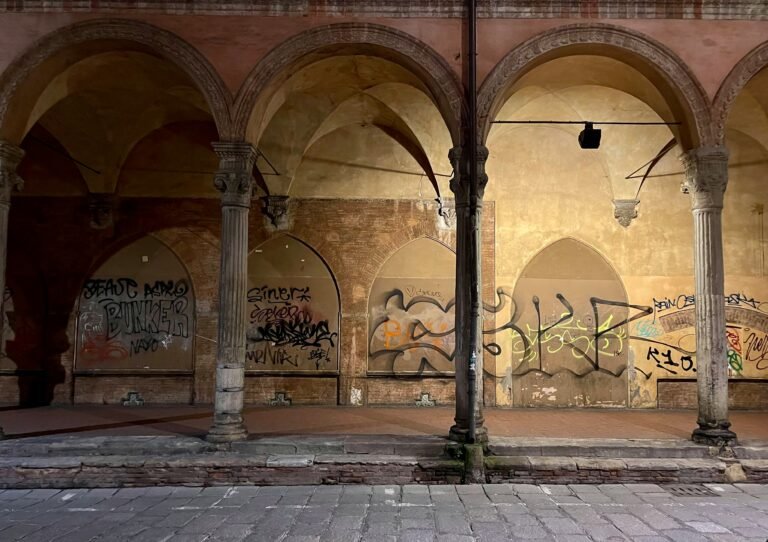
And this is where the porticoes stop being a photo opportunity and become infrastructure. Nearly 40 kilometres of them run through the historic centre, and you can cross most of the old city in rain without an umbrella. They were built for exactly this weather.
The Three Winter Months Are Not the Same Trip
Most guides treat winter as one block. In Bologna it splits cleanly into a festive month and two very quiet ones, and which you choose changes the trip completely.
| December | January | February | |
|---|---|---|---|
| Atmosphere | Festive, markets, lights | Quietest of the year | Quiet, slowly warming |
| Crowds | Busy around Christmas | Very low | Very low |
| Prices | Higher over the holidays | Lowest | Lowest |
| The draw | Christmas markets, Vecchione | Winter sales, empty museums | Empty museums, early spring hints |
December: The Festive Exception
December is the one winter month that is not quiet. The Fiera di Santa Lucia runs under the portico of Santa Maria dei Servi until 26 December, the Fiera di Natale on Via Altabella continues into January, and on New Year’s Eve the Vecchione — a sculptural figure made each year by a local artist — burns in Piazza Maggiore at midnight.
Prices rise over the holiday period and central rooms go early. If December is your month, our full guide to Christmas in Bologna covers the markets, the traditions and what to eat in detail.
January: The Quietest and Cheapest Month
Once the Epiphany passes on 6 January, Bologna empties out, and this becomes the month with the shortest museum queues, the easiest restaurant reservations and the lowest hotel rates of the entire year. It is also the coldest and the foggiest month, and those two facts are related rather than coincidental.
The food culture does not thin out with the crowds. If anything it concentrates: the trattorias fill with Bolognesi rather than visitors, and the kitchen is at its most traditional.
February: Quiet, With the First Signs of Spring
February keeps January’s prices and crowds but starts to soften towards the end: the sales are still running for most of the month, the museums are still empty, and by the last week the light begins to change. It is the best value of the three months if you can accept that the weather is a lottery.
The Winter Sales Are a Genuine Reason to Come
Italy regulates its end-of-season sales by region, and in Emilia-Romagna the winter round opens in early January and runs for up to 60 days. In 2026 it started on Saturday 3 January. The regional rules are set out in a standing decision rather than decided year by year, but the exact date for the following season is published only shortly beforehand — check before planning a trip around it.
What makes this work in Bologna specifically is the covered shopping. Via dell’Indipendenza, Via Rizzoli and the streets of the Quadrilatero are porticoed almost end to end, so a full afternoon of sales shopping happens under cover regardless of the weather. Few Italian cities can offer that in January.
What to Eat in Bologna in Winter
This is the season the Bolognese kitchen was built for, and it is the strongest argument for a winter trip. Tortellini in brodo — small hand-folded pasta in capon broth — returns to menus and is the dish the city guards most jealously. Ragù gets richer. Roasted meats, game and bollito misto appear.
Certosino is the local Christmas cake — dense with almonds, candied fruit and honey — and you will find it sold well beyond December. The markets shift to radicchio, cardoons, winter greens and chestnuts, so if you walked the Quadrilatero in summer you will barely recognise the same stalls.
One practical note that matters more in winter than in any other season: many traditional trattorias close on Sunday evening and Monday, and some also close Tuesday at midday. In a month when you may be walking through fog to get there, check the day before.
What Is Actually Open in Winter?
Almost everything, and that is the single biggest difference between Bologna and a coastal Italian city in winter. This is a working university town of around 400,000 people rather than a seasonal resort, so the restaurants, museums, markets and shops all run on their normal schedules.
The museums are the clearest winter win. Queues that build through spring and summer barely exist in January and February, and the same is true of the Motor Valley sites around Modena. If your trip is built around seeing things indoors rather than walking hills, winter gives you more for your money than any other season.
Day Trips in Winter: Choose Indoors
Winter changes which day trips are worth taking. A journey chosen for hill views or a walkable old town can disappear into fog, but the region’s indoor attractions are emptier than at any other point in the year, and that is a genuine advantage rather than a consolation.
Ravenna is the strongest winter choice, because its Byzantine mosaics are indoors and lit regardless of what the sky is doing. The Motor Valley museums around Modena come a close second: queues that run long in summer barely exist in January. Modena and Ferrara are both 20 minutes from Bologna Centrale on a fast train, and Parma takes 50 minutes on an Intercity.
Check the forecast the evening before and pick accordingly. When the fog settles, the trip with the strongest indoor core is the one that will still be worth the train fare.
What to Pack for Bologna in Winter
- A proper heavy coat, not a light jacket. Damp cold works differently from dry cold.
- A warm scarf — the single most useful item you will bring.
- Waterproof shoes with grip, because wet portico stone is slippery.
- Layers for indoors, since restaurants and museums run warm.
- Expect fog rather than snow, and plan for visibility rather than for cold alone.
Frequently Asked Questions
Is Bologna worth visiting in winter?
Yes, particularly if you are coming for food. Winter brings the lowest hotel prices of the year, the shortest museum queues, and the most traditional version of Bolognese cooking. The porticoes make cold and rain far less disruptive here than in most Italian cities. The trade-off is fog and grey skies.
How cold does Bologna get in winter?
Daytime temperatures usually sit between 2°C and 10°C, with January the coldest month and nights near freezing. Snow is occasional and rarely settles for long. The damp makes it feel colder than the same temperature would in a drier climate.
Which winter month is best for visiting Bologna?
December for atmosphere and the Christmas markets, January and February for price and quiet. January is the cheapest and emptiest month of the year, and the winter sales run through most of it. February offers the same value with slightly better light towards the end.
Is everything open in Bologna in winter?
Yes. Bologna is a working city and a university town rather than a seasonal destination, so restaurants, museums and shops keep normal hours. The main thing to watch is the weekly closing day of individual trattorias, which is unrelated to the season.
How bad is the fog in Bologna?
Persistent enough to shape a trip. The Po Valley nebbia can sit over the city for several days and cut visibility to a few dozen metres. It rarely stops anything from running, but it does make day trips chosen for scenery far less rewarding, so favour indoor destinations when it settles in.
Plan Your Trip to Bologna
- Christmas in Bologna — the markets, the Vecchione, and what to eat in December
- Best Time to Visit Bologna — the full month-by-month comparison
- Where to Stay in Bologna — neighbourhoods, hotels and the trade-fair calendar
- Best Food in Bologna — what to eat and where
- Bologna Trip Cost 2026 — what a trip actually costs, including city tax
- Shopping in Bologna — where to go when the sales are on
The practical side of a Bologna trip — timing, budget, getting around and how long to stay — is collected in Plan Your Trip.