Bologna to Parma Day Trip: Train, Food & Sights (2026)
Parma is about one hour from Bologna by direct train, and it works best as either a culture-led city day or a food-producer day. Trying to combine the Baptistery, the Pilotta, a Parmigiano Reggiano dairy, and a Prosciutto di Parma producer independently makes the schedule much tighter. That choice matters.
Your base for this day trip: Where to Stay in Bologna: best neighborhoods and hotels
Getting There: Train from Bologna to Parma
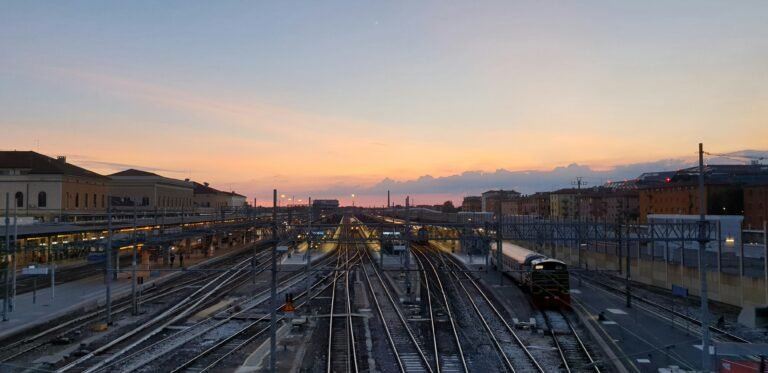
For a city-focused day trip, the train is the simplest option. Direct services run from Bologna Centrale to Parma, with journey times varying by train.
Current September 2026 schedules include direct journeys of roughly 50–75 minutes. Regionale trains cost €8.50 one way. Emilia-Romagna regional fares are set by distance, so the price does not change with demand or booking date; just check the timetable for your travel day.
The route: Bologna Centrale to Parma station
Journey time: roughly 50–75 minutes, depending on service
Typical regional fare: €8.50 one way (fixed regional fare)
Booking: check Omio or the Trenitalia app for the current timetable and fare (Omio adds a service fee, shown before you pay)
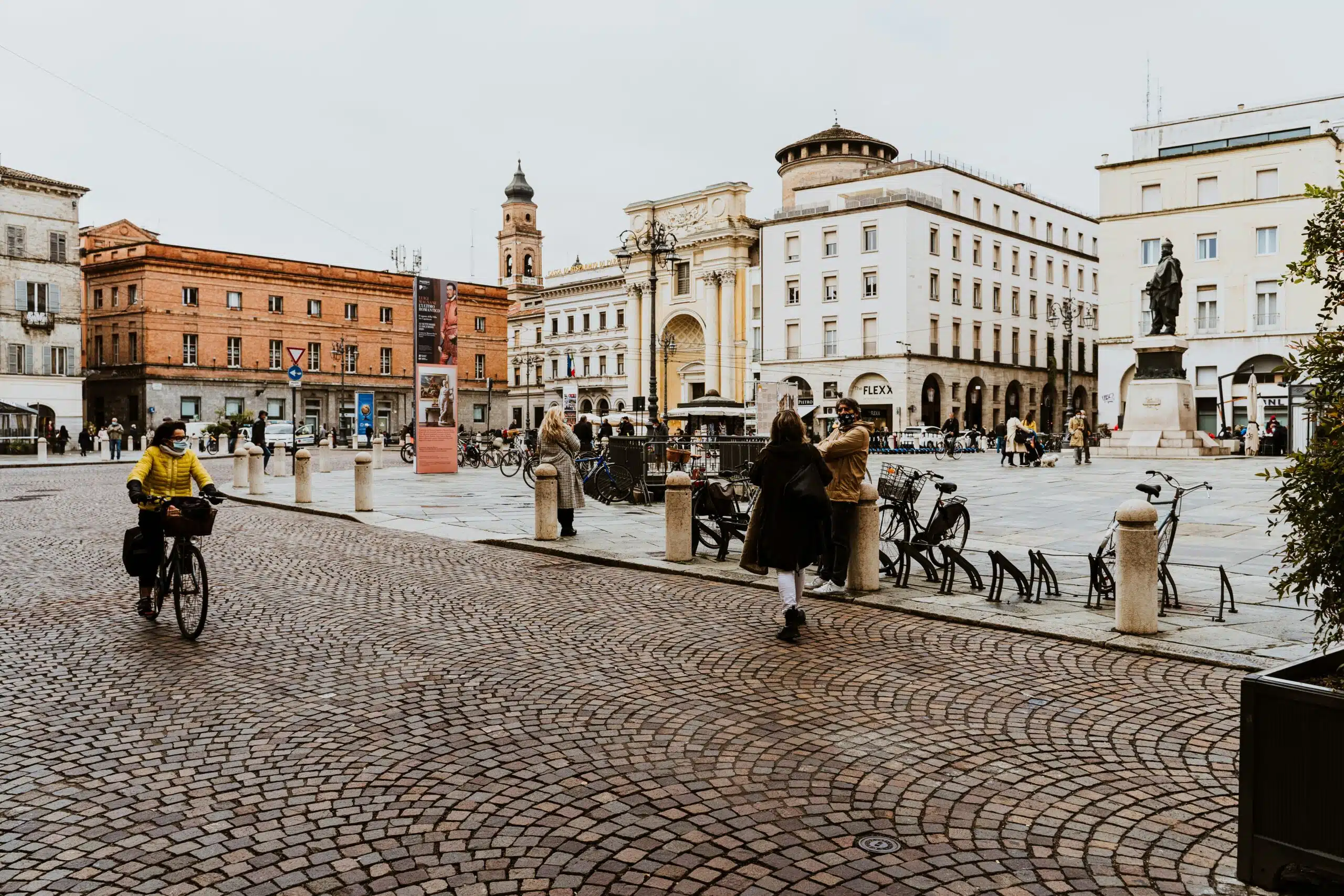
Piazza del Duomo is about 800 meters from Parma station, so allow roughly 10–15 minutes on foot. If your main goal is a rural cheese dairy or ham producer, a car, taxi, public bus, or organized tour may fit the day better than relying only on the train.
For more destinations that work by rail from Bologna, see Best Day Trips from Bologna by Train: journey times and practical planning.
Choose Your Parma Day
A first visit is easier if you decide what matters most before you leave Bologna.
| Plan | Best For | Main Trade-Off |
|---|---|---|
| City day | Cathedral, Baptistery, Pilotta, lunch | No producer visit |
| Food-producer day | Parmigiano Reggiano and Prosciutto di Parma | Less time for city sights |
| Organized food tour | Two producers with transport arranged | Higher cost and a fixed schedule |
A city day needs no car. A producer-focused day requires more planning because dairies and prosciutto producers are outside central Parma.
Parma City: What to See in One Day
1. Baptistery and Piazza del Duomo
Location: Piazza del Duomo
Current ticket: €12 for the Baptistery and Diocesan Museum
Opening hours: daily, 10:00–18:00
Time needed: about 45–60 minutes
The Baptistery is the strongest place to start. Benedetto Antelami designed the octagonal building in pink Verona marble, and construction ran from 1196 to 1216.
The exterior sculpture and painted interior reward a slower visit than a quick circuit. The building also shows the transition from Romanesque to early Gothic architecture particularly clearly.
2. Parma Cathedral and Correggio’s Dome
Location: Piazza del Duomo
Entry: free for individual visitors
Current opening hours: 07:45–19:20
Time needed: about 30–45 minutes
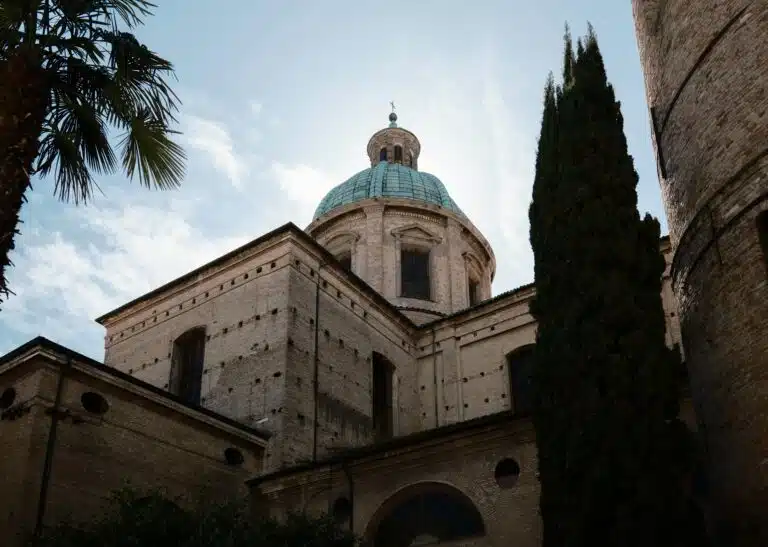
Parma Cathedral is worth visiting for the building itself, but Correggio’s Assumption of the Virgin is the focal point. The fresco covers the inside of the dome and was painted in the 1520s.
Religious services can interrupt tourist visits, so leave some flexibility in your schedule.
3. Complesso Monumentale della Pilotta
Location: Piazzale della Pace
Current full ticket: €18
Opening hours: Tuesday–Sunday, 09:00–19:00; last admission 18:00
Time needed: about 1.5–2 hours
The Pilotta ticket covers the Teatro Farnese, Galleria Nazionale, the monumental area of the Biblioteca Palatina, the Museo Archeologico Nazionale, and the Museo Bodoniano. Monday closure matters if you are planning Parma as a day trip.
The Teatro Farnese is one of the complex’s main draws, but its history needs context. Allied bombing in 1944 almost completely destroyed the wooden theatre. Reconstruction began after the war, incorporating surviving original material, and the architectural rebuilding was completed in the 1960s.
The Galleria Nazionale includes major works by artists associated with Parma, including Correggio. His Madonna di San Gerolamo, also known as Il Giorno, is part of the collection.
4. Parco Ducale or Piazza Ghiaia
After the Pilotta, choose a slower stop rather than adding another museum. Parco Ducale works well for a walk, while Piazza Ghiaia gives you a practical food-market stop.
Piazza Ghiaia has a long market history and includes Parma’s largest covered market. The Campagna Amica food market sells local produce, salumi, Parmigiano Reggiano, and other regional products on Wednesday and Saturday mornings, subject to seasonal closures.
The Food-Producing Countryside
Parma’s best-known food products are not made in the historic center. This changes the day. A dairy or prosciutto producer visit requires a different schedule.
Prosciutto di Parma: What to Know Before Booking
Prosciutto di Parma can only be produced within its defined PDO production area in the Province of Parma. Langhirano is the best-known center, but the production zone extends beyond one town.
Public buses connect Parma with Langhirano, including TEP line 2670. That does not mean every producer is easy to reach by bus. Check the exact address and return connection before building an independent visit around public transport.
A typical production visit explains salting, drying, maturation, quality control, and the final branding process. Parma Ham uses pork, sea salt, air, and time, with nitrates and nitrites prohibited under the production rules.
The current minimum maturation period is 14 months from the first salting. At the end of the process, inspectors use a porous horse-bone needle to check aroma at specific points. Hams that meet the specification receive the Ducal Crown brand.
Parmigiano Reggiano: Why Morning Visits Matter
Parmigiano Reggiano must mature for at least 12 months. Much of the cheese on the market is matured for 24–36 months, producing a firmer texture and more developed flavor.
Every wheel undergoes quality inspection after 12 months before it can receive the selection mark and continue under the Parmigiano Reggiano designation.
If you want to see active cheesemaking, book a morning dairy visit. Exact production and visitor times vary by dairy, so confirm the schedule with the producer or tour operator rather than assuming an afternoon visit will show the same process.
Is a Guided Food Tour Worth It?
A guided tour is the easiest option if you want to visit both a dairy and a prosciutto producer without arranging rural transfers yourself. Check the current itinerary carefully because pickup point, lunch, producer access, and time in Parma can vary by product and date.
Where to Eat in Parma
Parma’s city-center lunch is a reason to protect at least 90 minutes in your schedule. Look for torta fritta with local salumi, anolini, and Parmigiano Reggiano rather than trying to fit lunch between museum entries.
Trattoria Corrieri is a long-running central trattoria serving traditional Parma dishes, salumi, cheeses, and local wines. It is currently listed by Parma’s official tourism service as open daily from 12:00 to 23:00.
Osteria del 36 is another central option with homemade pasta and a menu combining traditional and more contemporary dishes. The official tourism listing currently notes Sunday closure.
For a market stop, use Piazza Ghiaia rather than planning around a generic “Mercato Centrale.” On Wednesday and Saturday mornings, the covered Campagna Amica market includes local farm products and food stalls.
What to Bring Home From Parma
Parmigiano Reggiano and Prosciutto di Parma are obvious purchases, but customs rules depend on where you are traveling next. Check before you pack.
Within the EU: meat and dairy for personal consumption are generally permitted when traveling between EU countries, although animal-disease restrictions can create temporary exceptions.
Great Britain: current rules introduced because of animal-disease outbreaks prohibit travelers from bringing pork and dairy products from the EU into Great Britain. Check the latest government guidance before departure because these restrictions can change.
United States: travelers should not bring Italian cured ham such as prosciutto in personal baggage. Many solid cheeses without meat are permitted, but all agricultural products must be declared and border inspectors make the final decision.
For a broader regional buying guide, see What to Buy in Bologna: Parmigiano, prosciutto and customs planning.
Two Realistic Parma Itineraries
Option A: City and Lunch
This is the simplest Parma day trip from Bologna.
| Approximate Time | Plan |
|---|---|
| 09:30–10:00 | Arrive in Parma and walk to Piazza del Duomo |
| 10:00–11:00 | Baptistery and Diocesan Museum |
| 11:00–11:45 | Cathedral and Correggio dome |
| 12:00–13:45 | Pilotta, or move it after lunch if you want more time |
| 14:00–15:30 | Lunch |
| 15:30–16:30 | Parco Ducale or Piazza Ghiaia |
| Late afternoon | Train back to Bologna |
If art is your priority, allow closer to two hours for the Pilotta and shorten the park or market stop.
Option B: Food Producers
Start with a pre-booked morning Parmigiano Reggiano dairy visit, then continue to a Prosciutto di Parma producer if your transport and booking make the connection realistic.
Do not assume that two independent producer visits and the main city museums will fit comfortably into the same day. A guided combination is easier when food production is the priority.
Parma vs Modena: Which Day Trip Should You Choose?
Parma and Modena suit different interests.
| Parma | Modena | |
|---|---|---|
| Main draw | Prosciutto di Parma, Parmigiano Reggiano, Correggio, Baptistery | Ferrari, balsamic vinegar, historic center |
| Best for | Food production and art | Cars and balsamic vinegar |
| City-only trip | Easy by train | Easy by train |
| Rural producer logistics | Requires planning | Depends on the producer or museum |
| Good choice if you have one day | Choose for Parma food products and art | Choose for Ferrari and balsamic vinegar |
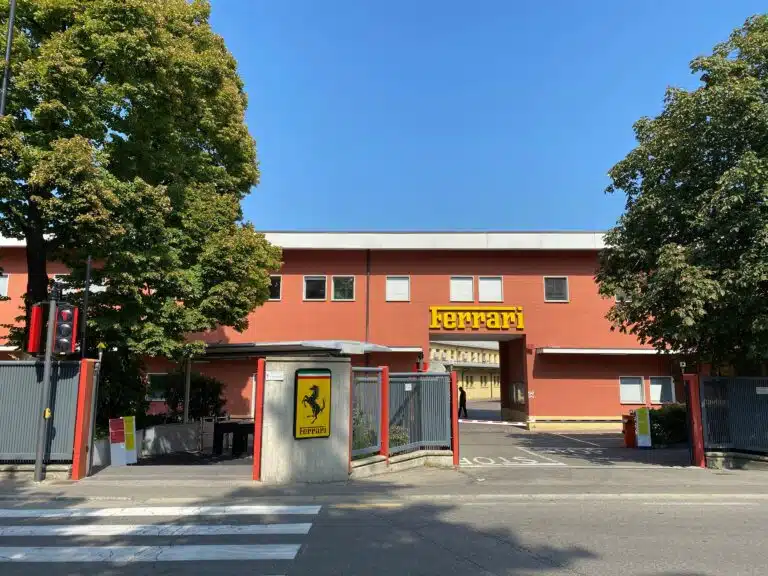
For the Modena alternative, read Bologna to Modena Day Trip: Ferrari and balsamic vinegar.
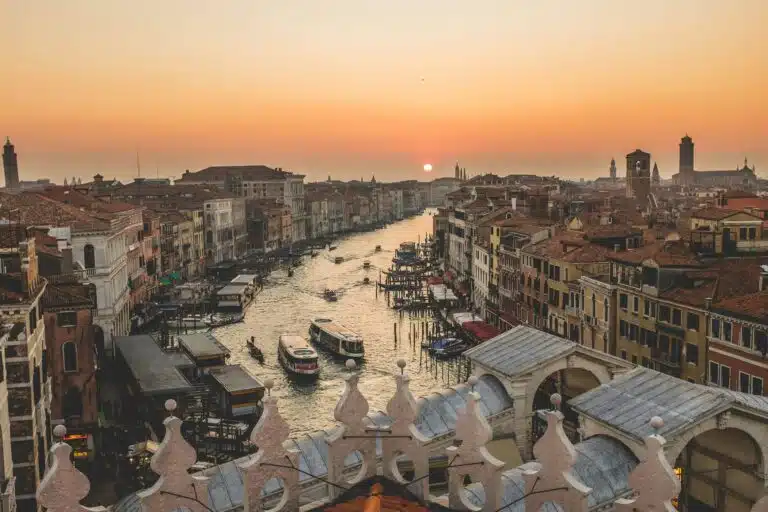
Also considering Venice? Read our Bologna to Venice Day Trip guide for the current day-trip logistics and Venice access rules.
September 2026: Festival del Prosciutto di Parma
The main 2026 Festival del Prosciutto di Parma program runs September 4–6, followed by further festival events from September 10–13. The related Open Doors program gives visitors access to participating producers on selected dates, including September 5, 6, 12, 13, and 20.
Open Doors requires booking, and visitors arrange their own transport to participating producers. Check the official festival program for the producer list and available slots.
For broader seasonal planning, see Best Time to Visit Bologna: weather, crowds and regional food events.
Practical Tips
Choose the shape of the day first. A city visit and a producer visit are different itineraries, not two halves that always combine neatly.
Book food producers in advance. Confirm the exact address, language, start time, tasting details, and transport before leaving Bologna.
Go to the dairy in the morning. That gives you the best chance of seeing active production rather than only the aging rooms.
Check Monday museum closures. The Pilotta is normally closed on Monday, while the Baptistery and Cathedral follow different schedules.
Check train times on the day. Direct services are frequent enough for a day trip, but journey time varies by train.
Frequently Asked Questions
How long is the train from Bologna to Parma?
Direct trains normally take about 50–75 minutes, depending on the service. Current September 2026 schedules include many regional journeys of roughly 57–71 minutes, with faster trains on some departures.
Can you visit Prosciutto di Parma producers without a car?
Yes, but the practical answer depends on the producer. TEP buses connect Parma with Langhirano, while other producers may require a taxi or different connection. Confirm the exact factory address before relying on public transport.
How long is Prosciutto di Parma aged?
The current PDO specification requires at least 14 months of maturation from the first salting. Producers also sell hams aged for longer periods.
Is Parma worth a day trip from Bologna?
Yes, especially if you want a compact historic center, Correggio’s cathedral dome, the Baptistery, the Pilotta, or a focused visit to Parma’s food-producing countryside. For a first trip, choose either a city-led day or a producer-led day rather than trying to cover everything.
Is Parma or Modena better from Bologna?
Choose Parma for Prosciutto di Parma, Parmigiano Reggiano, the Baptistery, and Correggio. Choose Modena for Ferrari and traditional balsamic vinegar. Both cities work well as separate train day trips from Bologna.
Plan Your Day Trip
- Best Day Trips from Bologna by Train: all destinations with logistics
- The 3 Best Day Trips from Bologna: Modena, Parma and Ferrari Valley
- Bologna to Modena Day Trip: Ferrari and balsamic vinegar
- Where to Stay in Bologna: your base for regional day trips
- What to Buy in Bologna: Parmigiano and prosciutto buying guide
- Best Time to Visit Bologna: seasonal planning for Emilia-Romagna
- Bologna Trip Cost 2026: budget planning including day trips
- Bologna to Ferrara Day Trip: castle, city walls and cycling
Every destination within easy reach of Bologna is collected in Day Trips.