First Time in Bologna? 15 Things to Know (2026)
First time in Bologna? Start with five practical facts: do not enter the central ZTL without confirmed permission, the Asinelli Tower is closed, the 2026 tourist tax can reach €7 per person per night, museum closing days vary by venue, and two full days make a better starting point than a rushed stop.
Bologna is compact enough to explore mainly on foot, but a little planning prevents avoidable mistakes. The city has 62 kilometers of porticoes, a food culture with strong local traditions, and rail connections that make it useful both as a destination and as a base for Emilia-Romagna.
Not sure how long to book? Start here:
How Many Days in Bologna? Honest breakdown for every type of traveler
Want the practical points on one page?
Bologna Trip Checklist: 12 things to check before you go
If you are comparing destinations, read Bologna vs Rome and Bologna vs Florence. For regional planning, see Best Day Trips from Bologna by Train: 9 destinations with logistics.
1. Do Not Enter the ZTL Without Confirmed Permission
Much of Bologna’s historic center is a restricted traffic zone, the ZTL. The standard zone is enforced daily from 07:00 to 20:00 by cameras at every entry point. Some sub-zones go further: the zona T along Via Rizzoli and Via Ugo Bassi, plus the pedestrian areas and the Archiginnasio zone, are monitored 24 hours a day.
The rule: Do not drive into a controlled entrance because a navigation app tells you to. Bologna’s train station and all major hotels are accessible without entering the ZTL. Park at a Parcheggio outside the zone (Autostazione, Ravone, or Tanari are the main options) and walk or take a bus.
If your hotel is inside the ZTL: Ask for the approved arrival route and plate-registration procedure before you arrive. Accommodation managers can register a guest’s plate with the city’s system, but a booking does not automatically authorize every restricted street. Ask specifically; do not assume.
For the complete transport picture including how to get from the airport and around the city: Bologna Transport Guide 2026: airport, ZTL, buses, and getting around
2. The Asinelli Tower Is Closed
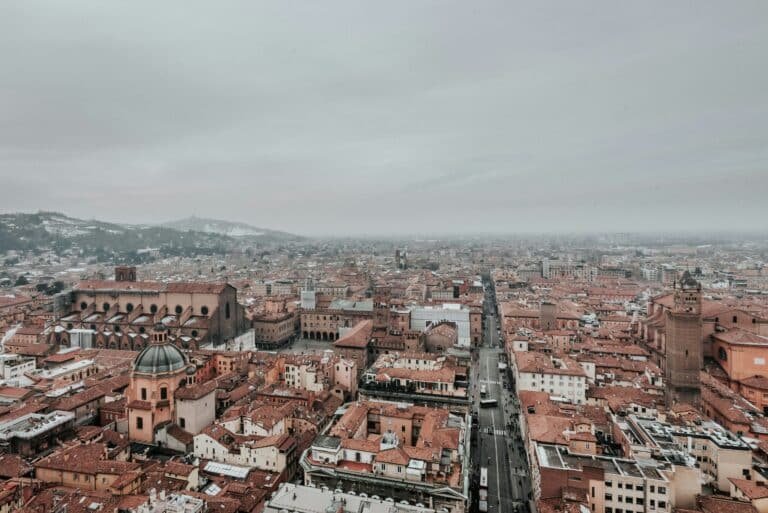
The Asinelli Tower, the taller of Bologna’s famous Two Towers and the city’s most iconic symbol, is currently closed to the public. It has been inaccessible since October 2023 because of work and monitoring around the neighboring Garisenda Tower, which is undergoing restoration. There are no tickets to buy and no announced reopening date. Our guide to the Asinelli Tower and the views you can visit instead compares the alternatives.
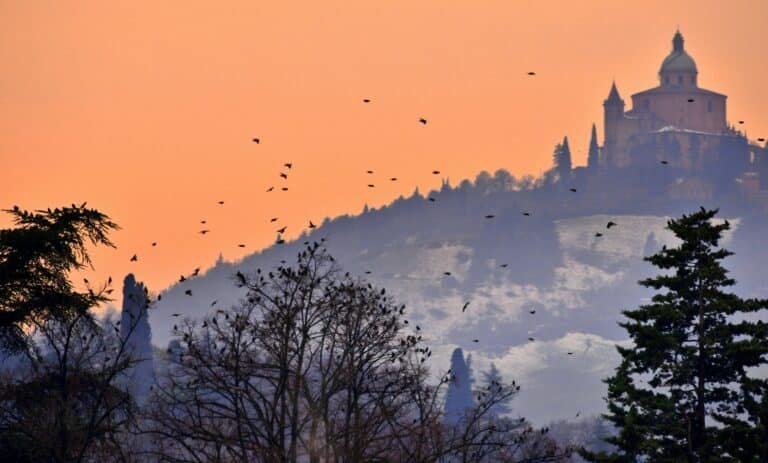
Do not build an itinerary around climbing it. The best free panorama of Bologna is from San Michele in Bosco, a former monastery on a hill south of the center. Bus 30 runs from the station via Piazza Malpighi and Porta Castiglione to San Michele in Bosco, or you can walk up through Parco San Michele. Entry is free.
You can still see the Two Towers from the street below; the view from Piazza di Porta Ravegnana looking up at both towers is one of the most photographed angles in Bologna and costs nothing.
3. Book a Cooking Class Once Your Dates Are Fixed
If a cooking class is on your list, book it once your Bologna dates are fixed. Availability depends on the provider, group size, weekday and season, so there is no reliable rule that every class sells out a set number of weeks in advance.
Book before you leave home. Booking ahead gives you more choice and lets you place a two-to-four-hour class around restaurant reservations and day trips. Check the cancellation terms before paying.
Best Cooking Classes in Bologna: which classes are worth it, what to book, and how far in advance
Our pick: pasta, ragù & gelato class4. Order Tortellini in Brodo for the Classic Version
Tortellini in Brodo, handmade tortellini in a clear capon or beef broth, is the classic Bolognese preparation. It is what many Bolognese families have eaten at Sunday lunch and Christmas for generations.
Cream is more complicated than the usual tourist-adaptation warning suggests. Bologna’s own city archive documents Tortellini alla Panna being served in the city since 1940, invented by a young Bolognese cook named Cesarina Masi, so cream is not proof that a restaurant is inauthentic. If you want the canonical first order, choose brodo.
Tortelloni (the larger, ricotta-filled version served with butter and sage) is a different, entirely correct dish; do not confuse the two.
For the full guide to where to find the best Tortellini in Bologna, including how to recognize an authentic bowl before you order: Read our best Tortellini in Bologna guide
For ragù, Tagliatelle is the classic local pairing; the ragù is slow-cooked and meaty, not tomato-saucy, and Tagliatelle rather than spaghetti is the standard local pasta for it.
For the full guide to where to find the best Tagliatelle al Ragù in Bologna, and what the officially registered recipe actually contains: Read our Tagliatelle al Ragù guide
For the complete guide to eating in Bologna including what to order and where:
The Ultimate Bologna Food Guide: what to eat, what to order, and which restaurants are worth it
5. Standing Coffee Is Common, but 11 AM Is Not a Cutoff
Standing at the bar is the normal way to drink coffee in Bologna, and table service is typically priced higher. Check the posted price list before sitting down if the difference matters to your budget.
The Bolognese coffee ritual:
- Walk to the bar
- Say “un caffè, per favore”
- Pay at the counter or at the cassa (cashier) first, depending on the bar
- Drink standing
- Leave
Cappuccino is strongly associated with breakfast in Italy, but treat that as a custom rather than a rule; a bar can still serve one later if you ask.
For the best cafes in the city, including which are worth the sit-down experience:
Best Coffee in Bologna: top cafes and how the coffee culture works
6. Opening Hours Vary by Business
There is no reliable rule that Bologna “does not open until 09:30.” Cafes and bars often open early, around 07:00, for the morning espresso and cornetto crowd, while shops, boutiques and small restaurants follow their own, later schedules.
The afternoon closure (riposo): Some independent shops close for part of the afternoon while others, including chain and department stores, stay open continuously. Check the specific places on your list instead of planning around one citywide timetable, especially on Mondays and public holidays.
7. Do Not Judge a Restaurant Only by Its Piazza Maggiore Address
A restaurant facing Piazza Maggiore is not automatically a tourist trap. Location alone does not tell you enough about food quality or value.
The rule: Check the menu, posted prices, and recent reviews before choosing. The university district (Via Zamboni, Via delle Belle Arti), the Quadrilatero streets (Via Drapperie, Via Pescherie Vecchie), and the Santo Stefano area all have well-regarded restaurants within a 5-minute walk of the main square.
A reliable fast-casual option: Sfoglia Rina on Via Castiglione 5/B. Fresh pasta counter, handmade every morning. The Bologna location opens daily from 11:30 to 20:00 and does not accept reservations.
8. Walk the Porticoes, Especially San Luca
Most first-time visitors walk past the porticoes without truly engaging with them. They notice the covered sidewalks and think: “Right, covered walkways. I’ve seen those.” They miss the point entirely.
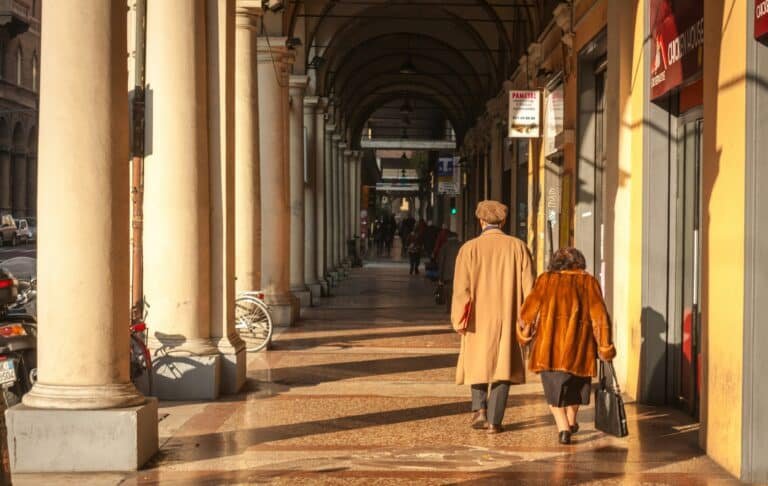
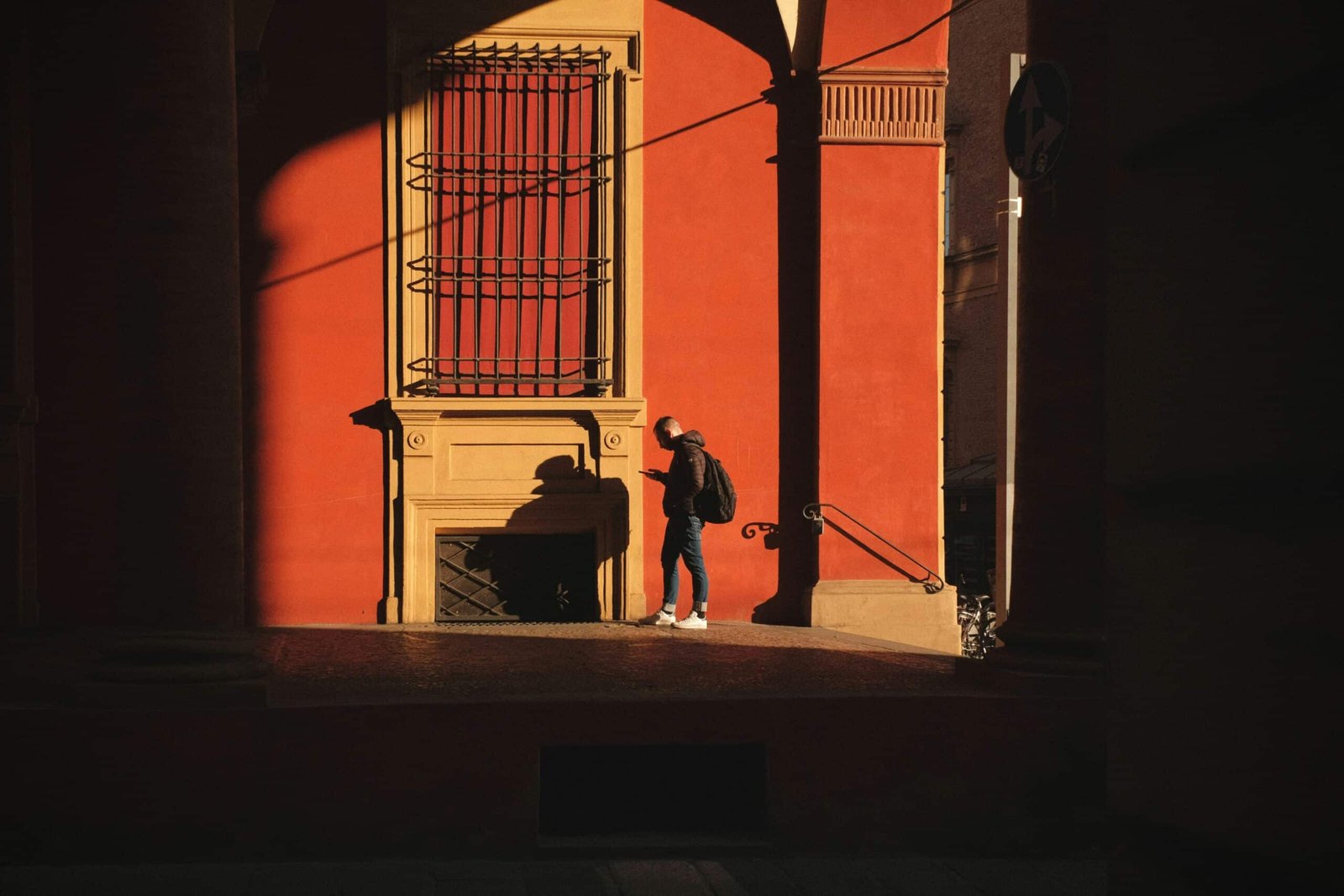
Bologna has 62 kilometers of porticoes in total across the city; UNESCO inscribed a representative group of 12 porticoed components as a World Heritage Site in 2021. Each one is architecturally distinct. Some are medieval timber (Casa Isolani, Strada Maggiore). Some are frescoed with floral patterns and mythological scenes (Via Farini). Some are Gothic marble columns (Santa Maria dei Servi, among the most elegant).
The San Luca portico walk, about 3.8 kilometers of continuous covered walkway from Porta Saragozza up the hill to the Sanctuary of San Luca, traditionally counted at 666 arches, is the most distinctively Bolognese experience in the city and costs nothing. It is an uphill walk; in warm weather, an earlier start is more comfortable, and you can turn back at any point if the full climb does not suit your day.
The UNESCO Porticoes of Bologna: history, photography tips, and the 5 most beautiful arcades
9. Budget for the 2026 Tourist Tax
Every visitor staying overnight in Bologna pays a tourist tax (tassa di soggiorno) collected by their accommodation provider. This is not a scam and is not optional; it is a legitimate local government fee, charged per person per night based on each guest’s share of the nightly room cost.
2026 rates: €2.80 per person per night in a hostel or campsite, then €4.00 for a per-person cost up to €30.99, €5.80 from €31 to €70.99, €6.50 from €71 to €120.99, and €7.00 from €121 up. Children under 14 are among the exempt categories.
How it works: Your hotel, B&B, or Airbnb collects it directly, either charged to your card at checkout or as a cash payment on departure. It is on top of your room rate and not included in prices shown on Expedia or Booking.com.
Worked example: a €100 room shared by two adults works out at €50 per person per night before VAT, which falls in the €5.80 band. For a couple staying 3 nights, that adds €34.80 in total, not a flat per-couple figure. The tax stops after five consecutive nights, so a seven-night stay is charged for five.
For the complete current cost breakdown including tourist tax, transport, food, and activities: Bologna Trip Cost 2026: what everything actually costs with current prices
10. Monday Museum Closures Depend on the Museum
Monday is a common closing day in Bologna, but it is not a universal museum rule.
Closed Mondays: Pinacoteca Nazionale (national art gallery), MAMbo (modern art), and Palazzo Poggi (on non-holiday Mondays).
Open Mondays: The Archiginnasio and its Anatomical Theatre normally run Monday through Saturday; private and Motor Valley museums generally follow their own schedules.
First Sundays of the month: participating state museums offer free entry through the national “Domenica al Museo” program. This does not automatically make every civic, university or private museum in Bologna free that day. The Pinacoteca Nazionale (home to Raphael’s Ecstasy of St. Cecilia) participates and currently lists a standard full ticket at €12. On other days, check whether the Bologna Welcome Card beats single tickets.
Check current hours at bolognawelcome.com and on the museum’s own website before visiting; hours change seasonally and for special exhibitions.
11. Reserve Specific Weekend Restaurants Early
If a particular Friday or Saturday dinner matters to you, reserve it once your itinerary is settled. There is no reliable citywide rule that every restaurant needs exactly two or three days of notice.
Some popular places do not take reservations at all. Osteria dell’Orsa (Via Mentana 1F) is open all day from 12:30 to 23:00 and does not accept reservations. For no-reservation restaurants, arriving near opening can reduce your wait, though it does not guarantee a table.
12. Visual Gelato Rules Are Clues, Not Proof
Two informal checks can point you toward better gelato anywhere in Italy, but treat them as clues rather than proof:
The Mountain Test: Real gelato tends to sit flat in the tub. Gelato piled in dramatic, oversized mountains can be a sign of added air or vegetable fat, though the shape alone does not prove the ingredients.
The Color Test: Real pistachio is typically a dull, earthy brown-green. Very bright neon-green pistachio can suggest artificial coloring, and real banana tends to be greyish-white rather than bright yellow.
Bologna has genuinely excellent gelato. Cremeria Santo Stefano holds three cones (Tre Coni) in the Gambero Rosso guide for 2027, and Cremeria Cavour on Piazza Cavour is closed on Mondays. Use flavor, texture, and a trusted current recommendation alongside these visual clues, not instead of them.
Best Gelato in Bologna: the full ranked guide and how to spot the tourist traps
13. Aperitivo Does Not Always Mean a Buffet Dinner
Bologna’s aperitivo culture is one of the most pleasurable and most misunderstood aspects of the city. It can mean a drink with a small snack, a more substantial spread of salumi, cheese and bruschetta, or something in between; do not assume every bar includes a buffet or enough food to replace dinner.
Arrive between 18:00 and 20:00 and check what is included before ordering. Good areas to try it: Via del Pratello (student neighborhood, lively and cheap), the University District, and Le Serre dei Giardini Margherita (the converted greenhouse in the city’s largest park).
The Osteria del Sole hack: Bologna’s oldest tavern (1465, Vicolo Ranocchi) serves wine and beer; its own rules let you bring outside food as long as you buy drinks there. It also now accepts table reservations with a minimum consumption of €10 per person.
The Ultimate Bologna Aperitivo Guide: best bars, how to do it right, and the best neighborhoods
14. Bologna Still Needs Normal City Precautions
Many first-time visitors to Italy arrive with vague anxiety about pickpocketing and general safety. Bologna is straightforward for most visitors, though a blanket claim like “one of the safest cities in Italy” is stronger than reported-crime data supports as travel guidance.
Use normal city precautions: keep your phone in a front pocket, do not leave bags unattended in cafes, and stay aware in crowded transit situations, particularly around the station and on public transport.
There is no useful basis for labelling an entire neighborhood as either unsafe or perfectly safe; risk varies by street, time and situation. The neighborhoods adjacent to the train station (Bolognina) are slightly less polished but are not a no-go area.
Is Bologna Safe? Honest assessment for every neighborhood and type of traveler
15. Stay Where You Can Walk to What Matters
Staying in the historic center within walking distance of Piazza Maggiore changes the practical shape of your trip. When your hotel is 10 minutes from the Quadrilatero market, you wake up and go to the market for coffee; when it is 40 minutes away, you skip it.
The best neighborhoods for a first visit are the Centro Storico (maximum walkability) and the University District (slightly more local, slightly cheaper). Both put everything in reach without any transport. If you are arriving by car, confirm the ZTL procedure before booking; if you have an early train, distance from Bologna Centrale may matter more than distance from Piazza Maggiore.
Where to Stay in Bologna: honest neighborhood guide with the best hotels for first-time visitors
Quickly: What to Prioritize on a First Visit
If this is your first time and you have two days, this is the non-negotiable list:
- Eat: Tagliatelle al Ragù at a proper trattoria. Tortellini in Brodo. A Mortadella sandwich from Mò Mortadella Lab. Gelato from Cremeria Cavour or Cremeria Santo Stefano.
For the complete Mortadella guide, what makes it authentic, where to eat the best sandwich, and the customs rules: Read our best Mortadella in Bologna guide
- See: The Archiginnasio Anatomical Theatre (€10, extraordinary). Piazza Santo Stefano. The Two Towers from the street below. The Finestrella hidden canal on Via Piella.
- Walk: Part of the San Luca portico (free, the most Bolognese thing you can do). The Quadrilatero market on a weekday morning.
- Drink: Coffee standing at the bar counter. A local wine such as Pignoletto or Lambrusco. Aperitivo at an honest bar.
- Skip: Driving into the ZTL without confirmed permission. Planning an Asinelli Tower climb while it is closed. Judging a restaurant or gelateria by one shortcut alone.
Doing it all in one day? Our Bologna in One Day itinerary maps the exact sequence to make the most of 10 hours.
Frequently Asked Questions
Is Bologna worth visiting for the first time?
Yes. Two full days are enough for a strong first visit, while three or more make room for slower meals, museums, and a day trip. Bologna works particularly well if food, walkability, medieval streets, and rail-based excursions matter to you.
What are the biggest mistakes first-time visitors make in Bologna?
The most consequential mistake is driving into a restricted ZTL zone without confirmed permission. Other common problems: planning an Asinelli Tower climb while it is closed, assuming every museum closes on the same day, overlooking the tourist tax, and trying to fit too much into one day.
What should I eat first in Bologna?
Start with Tagliatelle al Ragù or Tortellini in Brodo at a proper trattoria. For something quick, the Mortadella sandwich from Mò Mortadella Lab on Via de’ Monari is the essential street food. The key distinction: Tagliatelle, not spaghetti, is the classic local pasta pairing for ragù.
Is Bologna safe for first-time travelers?
Most visitors can explore Bologna with standard urban precautions: keep valuables secure in crowded places, on public transport, and around the station. Avoid claims that the city is either risk-free or unusually dangerous; both overstate the picture.
When is the best time to visit Bologna for a first trip?
There is no single best month for every traveler. Choose based on weather, crowd levels, and the places you want to visit. If you travel in August, check individual restaurant and shop schedules around Ferragosto rather than assuming the whole city follows one closure pattern.
Do I need to speak Italian in Bologna?
No Italian is required for most visitor-facing situations, but English is not guaranteed everywhere. Learning a few phrases such as Buongiorno, grazie, un caffè per favore, and il conto per favore makes routine interactions easier.
Ready to Plan Your First Bologna Trip?
- How Many Days in Bologna? The honest answer for every type of traveler
- Best Time to Visit Bologna: month-by-month guide
- Where to Stay in Bologna: best neighborhoods and hotels
- Where to Stay in Bologna Without a Car: walking times from 11 hotels
- The Ultimate Bologna Food Guide: what to eat and where
- Bologna Trip Cost 2026: realistic budget for every type of traveler
- Bologna on a Budget: free activities and money-saving tips
- 2 Days in Bologna: The Perfect Weekend Itinerary
- Best Day Trips from Bologna by Train
- 5 Hidden Gems in Bologna: the places most first-timers miss
The practical side of a Bologna trip, including timing, budget, getting around and how long to stay, is collected in Plan Your Trip.